


Burnout Prevention & Nervous System Resilience Program
Burnout doesn’t begin when someone crashes
Most people treat burnout as a time-management problem.
It’s not.
It’s a nervous system, metabolic, and cognitive load problem.
It begins in the small moments:
poor sleep,
shallow breathing,
brain fog,
irritability,
decision fatigue,
disconnection from your body.
This program addresses burnout at the root through The S.P.A.C.E Method
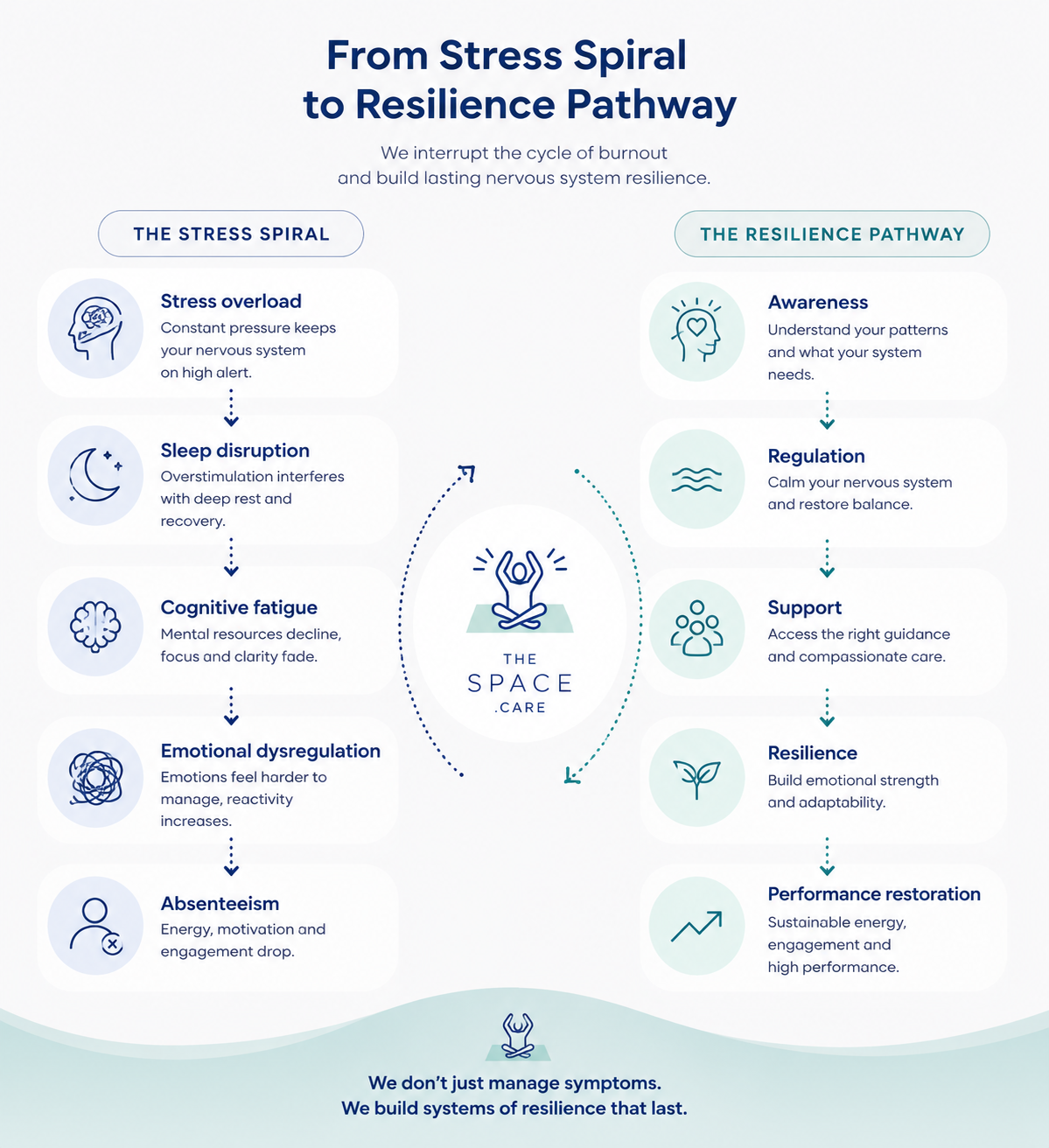
A science-backed learning journey designed for high-performing teams.
.
TheSpace.Care has designed this as an experiential learning journey combining expert insight with direct integration:
6 Expert Talks (45 minutes each)
6 Guided Practice Sessions (30 minutes each)
Opening & Closing Integration Sessions
Each talk provides understanding, while each practice session allows participants to integrate learning through direct nervous‑system experience.
Offered both in person and online, in English and French
Results:
Teams leave with measurable reductions in stress indicators, restored cognitive capacity, and practical tools embedded in how they work, not added on top of it.
The S.P.A.C.E. framework is the foundation.
The 6-stage program is how we build it, one layer at a time.
-

1. Awareness
Understanding burnout and chronic stress
-

2. Regulation
Breathwork and mindfulness
-

3. Physiology
Nutrition and metabolic stability
-

4. Cognition
AI, focus, leadership, overload
-

5. Behavior
Communication and boundaries
-

6. Embodiment
Movement and physical resilience
Our Burnout Prevention Program Layers
-
Burnout is the result of prolonged nervous system overload, not a sudden event. This session helps participants understand how stress accumulates, how it impacts the brain and body, and how to recognize early warning signs before performance and health decline.
Key focus areas:
Stress as a biological survival response and the role of the nervous system
How acute stress becomes chronic through ongoing cognitive and emotional load
Impact on focus, energy, motivation, and emotional regulation
Early warning signs across emotional, physical, and cognitive levels
Why prevention through awareness, regulation, and recovery is more effective than reactive solutions
-
This session focuses on how to regulate stress in real time using simple, work-compatible tools. Participants learn how breath and mindfulness can improve focus, emotional balance, and resilience without adding extra effort.
Key focus areas:
Why willpower and mindset alone are not enough to manage stress effectively
Breath as a fast, practical tool to regulate stress in real time, even during meetings
Mindfulness as a way to create space between stimulus and response under pressure
Simple practices to improve focus, emotional regulation, and recovery throughout the workday
How small, consistent micro-practices support sustainable performance and resilience
-
Burnout is not only emotional — it is physiological. This session explores how chronic stress disrupts key systems in the body and how nutrition and metabolic stability directly influence energy, focus, mood, and resilience.
Key focus areas:
The role of cortisol, the HPA axis, and the nervous system in shaping energy, mood, and stress tolerance
How fluctuations in blood sugar drive fatigue, brain fog, cravings, and reduced stress resilience
How gut health, inflammation, and nutrient absorption influence mood, cognition, and overall resilience.
The role of macronutrients and key micronutrients in supporting cognitive function, emotional regulation, and sustained energy.
Building physiological resilience through stable energy, nourishment, and recovery
-
This session explores how AI and digital environments are reshaping attention, decision-making, and professional identity. Participants learn how to reduce cognitive overload and use AI in a more intentional, sustainable way.
Key focus areas:
Cognitive overload in modern work and its impact on focus, decision-making, and performance
The shift from automation (more, faster) to augmentation (clearer, more intentional thinking)
How unstructured AI use increases cognitive load and contributes to burnout
Agentivity and intentionality: staying in control of decisions, attention, and thinking
Practical reflection on boundaries, focus, and healthier ways of working with AI
-
Under stress, communication shifts — tone sharpens, misunderstandings increase, and conflict escalates. This session helps participants understand how stress impacts communication and how to move from reactive patterns to more intentional, regulated responses.
Key focus areas:
How stress narrows perception and distorts communication under pressure
The difference between reacting and responding, and the role of pause and self-regulation
Common stress-driven patterns such as people-pleasing, avoidance, or emotional reactivity
Practical tools to communicate clearly, reduce escalation, and navigate difficult conversations
Setting boundaries as a way to protect energy, focus, and working relationships
-
Sitting, stress, and repetitive work patterns place continuous strain on the body. This session helps participants understand how physical tension develops and how simple, practical movement can restore energy, reduce pain, and support long-term resilience.
Key focus areas:
Why physical discomfort is not just about posture, but about lack of movement variability
How prolonged sitting and desk work create muscular imbalances, tension, and fatigue
The connection between physical tension, energy levels, and nervous system regulation
Simple, practical exercises and stretches to release tension and improve mobility during the workday
How small, regular movement breaks support focus, reduce discomfort, and improve overall performance
30 minutes of practice after each expert talk
Each session is where learning becomes lived experience — translating insight directly into your nervous system.
1. AWARENESS
Mindful Awareness & Grounding
Recognize your stress state in real time and return to a regulated baseline — anytime, anywhere
2. REGULATION
Breathwork & Nervous System Regulation
Use evidence-based breathing techniques to interrupt the stress response and restore calm within minutes.
3. PHYSIOLOGY
Gentle Desk Yoga & Interoceptive Movement
Reconnect with body signals through accessible movement designed for workplace settings — no equipment needed.
4. COGNITION
Meditation & Cognitive Reset
Interrupt mental overload, restore focus, and create space between stimulus and response.
5. BEHAVIOR
Somatic Presence & Relational Awareness
Develop the embodied presence that reduces reactivity and builds psychological safety in teams.
6. EMBODIMENT
Physiotherapy Micro-Movement Toolkit
A practical set of micro-movements to release tension, improve posture, and sustain energy across long work days.
Early intervention costs less — in every sense.
When stress is addressed early, the cost stays low. As support is delayed — through burnout, breakdown, or chronic conditions — the human and financial price rises sharply. Long-term absence, reduced performance, increased healthcare costs, and deep human suffering are not inevitable. They are the cost of waiting too long.
Key Outcomes For Your Organization
Recognize early burnout signals before performance declines
Regulate stress responses in real time
Improve communication and boundaries under pressure
Support energy and resilience through physiology
Integrate sustainable micro‑practices into daily work routines
Lower absenteeism, reduce sick leave, and strengthen employee engagement
Maintain cognitive clarity in high‑demand environments
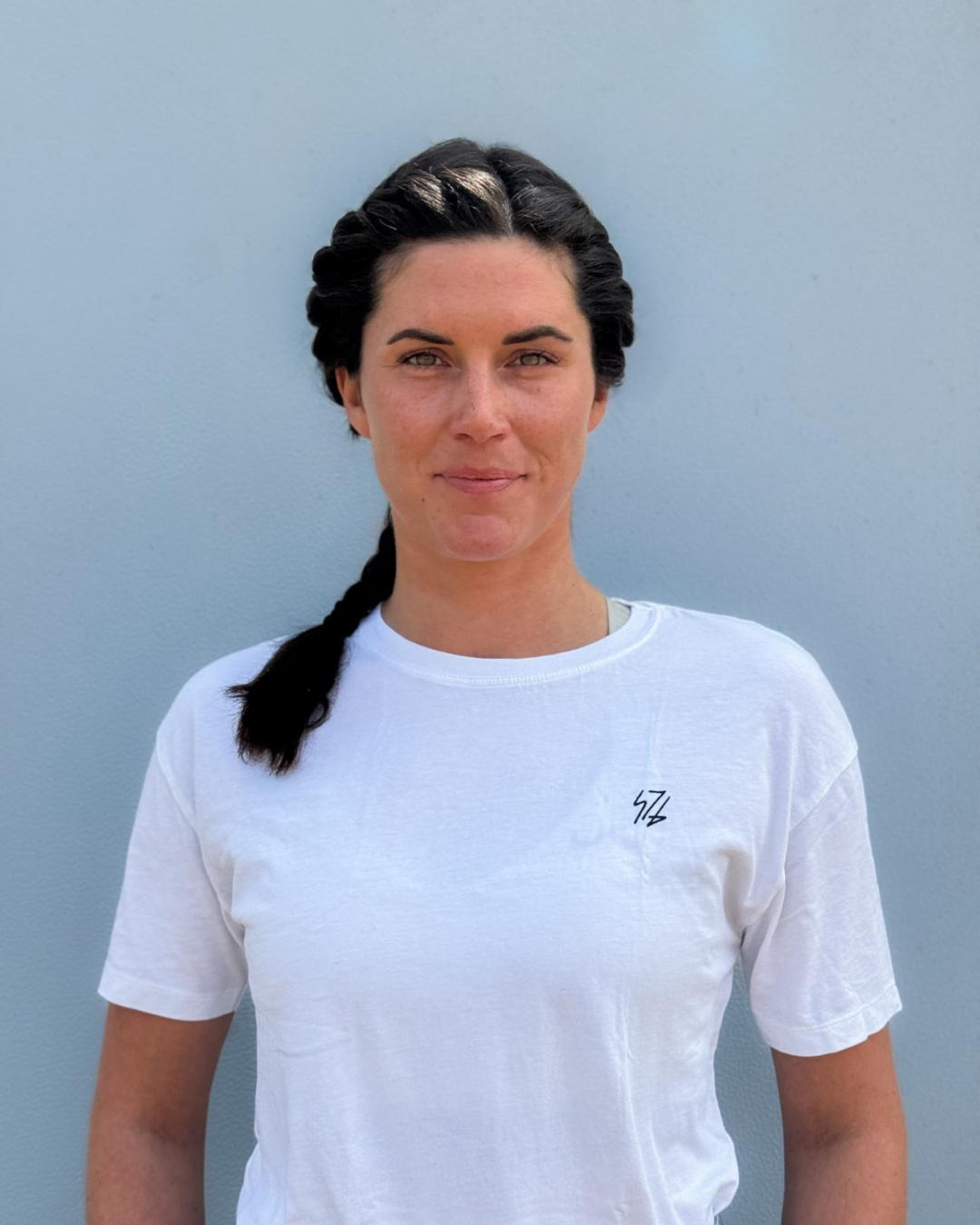
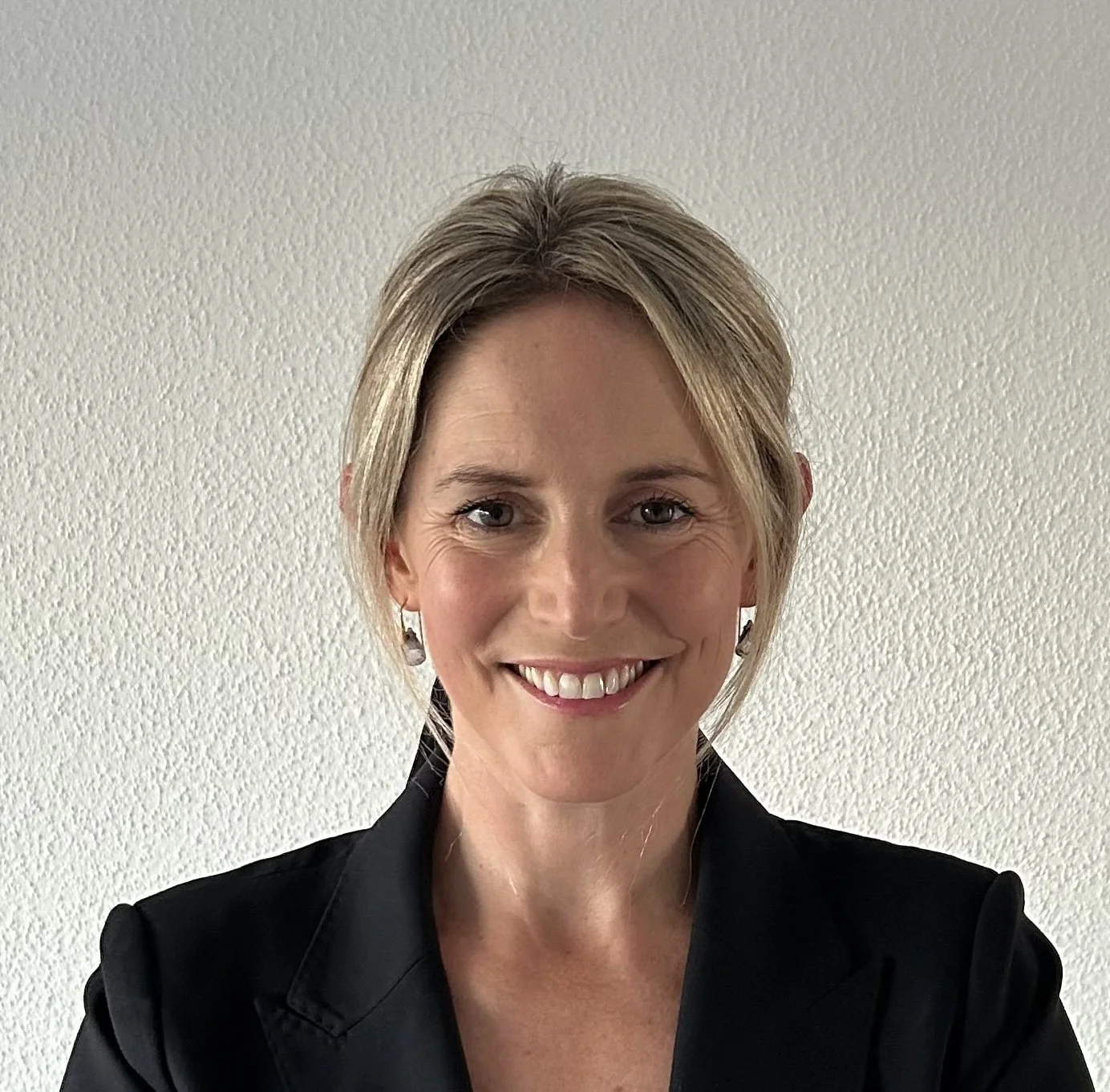
Meet Our Experts
-
![]()
Hanna Hanula
FOUNDER & SOMATIC THERAPIST
Program Architect. Integrates nervous system awareness and somatic intelligence to create sustainable performance.
-
![]()
Laurent Mas
CO-FOUNDER & MEDITATION TEACHER
Brings mindfulness-based practices that enhance focus, emotional resilience, and clarity in high-demand environments.. -
![]()
Scotti McLaren
FUNCTIONAL MEDICINE PRACTITIONER
Specializes in gut–brain health, burnout recovery, sleep regulation, and neurodivergent support. -
![]()
Henri Allegra
AI STRATEGY & COGNITIVE TRANSFORMATION CONSULTANT
Homo Promptus co-founder helping leaders navigate digital transformation through human-centered innovation and cognitive resilience. -
![]()
Sherina Shamdasani
LICENSED PSYCHOLOGIST
Mental and emotional well-being expert and mentor with over 10 years of experience supporting individuals and organizations in building sustainable resilience. -
![]()
Kat Ahlers
PHYSIOTHERAPIST & STRESS EDUCATOR
Former university lecturer specializing in nervous system regulation and stress-related health, bridging clinical science and holistic well-being.
-
![]()
Diana Rose
YOGA TEACHER
Brings over 10 years of teaching experience in supporting nervous system regulation, mobility, and sustainable energy through mindful movement
-
![]()
Magdalena Luczak
NUTRITIONIST
Supports sustainable energy, gut–brain balance, and overall well-being through holistic health and lifestyle strategies.





If your team is showing early signs of burnout, the best time to act is now.
We offer a free 30-minute consultation to assess your team's needs and find the right fit.